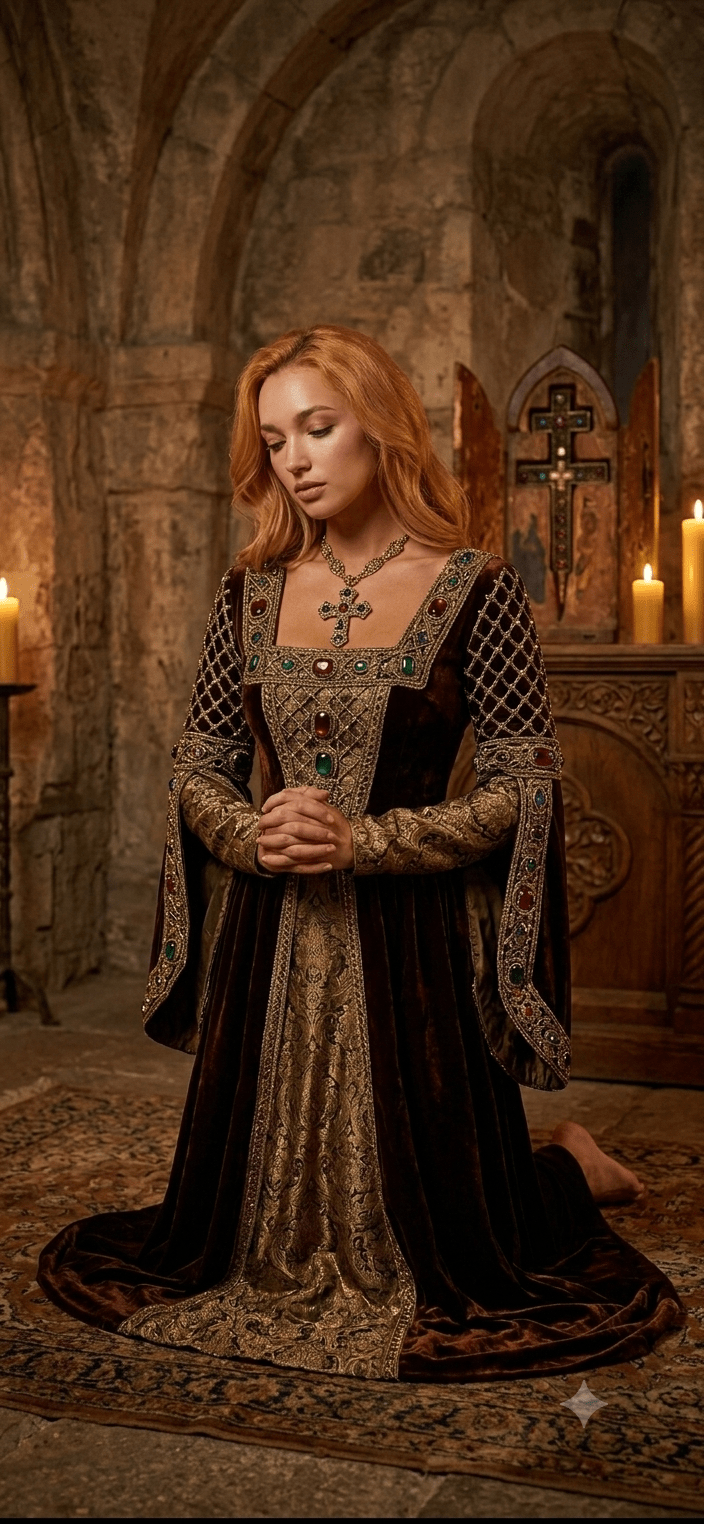
Fig Earth Magazine X Musical Instruments
By: Wish Fire
Saint Gothic
Fig Earth Magazine X Musical Instruments
www.x.com/milkywaycupcake/status/2077322230858752331
Musical Instruments Made from Fig Trees
One of the most well‑known instruments made from a fig tree is the maraca. A maraca is a traditional percussion instrument used widely in Latin American and other musical traditions. It is typically constructed from a hollowed‑out gourd or a piece of wood (sometimes from a fig tree) with a handle, and inside it contains seeds, beans, or small pebbles. When shaken, these contents strike the walls of the body, producing a distinctive rattling or shuffling sound Brainly.
Key features of a maraca:
Material: Often made from dried gourds or wood; fig tree wood can be used for the body.
Construction: Hollowed body with a handle for easy shaking.
Sound production: Seeds or beans inside create a rhythmic “clack” when shaken.
Use: Adds rhythm and texture to music, common in folk, traditional, and Latin genres.
While maracas are the most direct example of a fig‑tree‑made instrument, other percussion instruments from similar plant sources (like gourds) share the same principle of using seeds or beans for sound. In broader cultural contexts, rattles and seed pods from various trees and plants serve the same purpose, but the maraca is the most iconic and widely recognized.
Yes — the Bible contains many musical instruments, including percussion, but no instrument exactly like modern maracas. The closest biblical parallels are timbrels, cymbals, and bells, all of which involve shaking or striking to produce rhythm.
Core answer
The Bible does not mention maracas, but it does mention several percussion instruments that serve similar rhythmic functions in worship, celebration, and procession.
Percussion instruments in the Bible
Timbrel — A frame drum or early tambourine, shaken or struck. Miriam used it after the Red Sea crossing (Exodus 15:20).
Cymbals — Often small, hand‑held clappers similar to castanets; used in temple worship (Psalm 150:5).
Bells — Sewn onto priestly garments; used for ritual signaling (Exodus 28:33–35).
These instruments produce percussive, rhythmic sound, but none match the gourd‑and‑seed rattle design of maracas, which are indigenous to the Americas and developed thousands of years later.
Other biblical instruments (for context)
Harp — Associated with David; used for worship and soothing (1 Samuel 16:23).
Lyre — Common in temple music and celebration.
Flute — Linked with joy, pastoral life, and early music traditions (Genesis 4:21).
Shofar — Ram’s horn used for signaling, festivals, and battle.
Why maracas don’t appear
Maracas are pre‑Columbian instruments originating in Indigenous Caribbean and South American cultures. Biblical cultures (Israel, Egypt, Mesopotamia) used frame drums, clappers, and bells, but not seed‑filled rattles.
However, the timbrel is the closest functional analogue:
handheld
shaken
used in dance and celebration
provides rhythmic accompaniment
Fig Earth Magazine X Musical Instruments
www.x.com/TheAthletic/status/2077212462881952148
Ancient Israelite music was everywhere in daily life—woven into work, worship, prophecy, celebration, mourning, and royal ceremony. It wasn’t “art for art’s sake”; it was functional, symbolic, and communal.
The essence of ancient Israelite music
Music expressed emotion, identity, and ritual meaning. It marked transitions, strengthened group cohesion, and mediated human–divine contact.
It accompanied labor (grape‑treading, harvesting), festivals, weddings, funerals, and military or royal processions. new.gci.orgnew.gci.org. Music in Ancient Israel – Grace Communion International
Core features of Israelite music
1. Functional music
Music always served a purpose:
coordinating work rhythms
celebrating victories
marking religious festivals
signaling movement of the camp
expressing communal joy or lament
2. Ritual and worship music
King David formalized temple music, appointing Levites as custodians of sacred song.
The Psalms—150 poems—became the foundation of Judeo‑Christian hymnology. History of music in the biblical period – Wikipedia
3. Prophetic music
Prophets used music to enter ecstatic states. Groups of musicians with lyres, drums, and pipes accompanied prophetic activity.
4. Music in daily life
People sang love songs, laments, work chants, and festival dances. Music expressed every emotional polarity—joy/sorrow, hope/fear.
Instruments of ancient Israel
String instruments
Kinnor (lyre/harp): most frequently mentioned; associated with David.
Nevel: larger lyre or harp.
Wind instruments
Shofar: ram’s horn for battle, worship, and announcements.
Silver trumpets: priestly signaling instruments for assembly, war, and festivals.
Flutes: used in celebrations and processions.
Percussion instruments
Timbrel (frame drum): used in dance and celebration (e.g., Miriam).
Cymbals: used in temple worship.
Clappers and small drums appear in iconography.
Music in the Temple
Temple music was highly organized:
Levite choirs
trained instrumentalists
antiphonal singing
ritualized trumpet blasts
Music marked sacrifices, festivals, and royal enthronements. Solomon’s coronation included trumpet blasts and pipe‑led procession.
Music, dance, and community
Music and dance were inseparable.
Maidens danced at Shiloh festivals.
Celebrations followed sheep‑shearing and harvest.
Dance served social functions like matchmaking.
Cultural influences
Israelite music absorbed elements from Egypt and the broader Near East—harps, flutes, drums, and performance styles.
Why music mattered
Music shaped Israel’s identity:
It taught theology.
It preserved memory.
It unified tribes.
It mediated divine presence.
www.x.com/Cory_Nidoh/status/2077209830603812980
Fig Earth Magazine X Musical Instruments
Biblical instruments aren’t just tools for making sound — they’re symbols, each carrying theological, emotional, and cosmological meaning. In ancient Israel, music was a language of ritual power, memory, and divine encounter. Below is a structured, deep exploration of what each instrument meant, not just what it did.
The core idea
Biblical instruments symbolize communication between realms — human and divine, earthly and heavenly, communal and individual.
Each instrument embodies a specific spiritual function, often tied to covenant, kingship, prophecy, or cosmic order.
Trumpets (ḥaṣoṣerot) — Royal authority, divine summons, cosmic order
Trumpets announce divine presence and royal legitimacy.
Their blasts structure sacred time: festivals, sacrifices, war, coronations.
Symbolically, they represent order imposed on chaos — a clear, piercing sound that organizes the community around God’s will.
In apocalyptic literature, trumpets mark cosmic transitions, signaling judgment or renewal.
Shofar — Covenant memory, awakening, spiritual alarm
The shofar is the most symbolically charged instrument.
Made from a ram’s horn, it recalls the binding of Isaac and God’s covenantal mercy.
Its raw, primal sound symbolizes awakening — a call to repentance, vigilance, and spiritual clarity.
It marks thresholds: new years, jubilees, battles, and divine interventions.
Timbrel (tōph) — Joy, liberation, feminine ritual power
The timbrel is associated with women, dance, and ecstatic celebration.
Miriam’s timbrel after the Red Sea crossing symbolizes liberation and the embodied joy of salvation.
It represents rhythmic life-force, communal celebration, and the physical expression of gratitude.
In Israelite symbolism, percussion often marks victory and renewal.
Cymbals — Communal unity, liturgical precision
Cymbals create sharp, bright accents that unify choirs and ensembles.
They symbolize synchronization — the community acting in harmony.
In temple worship, they mark transitions, emphasizing order, timing, and collective intention.
Harp (kinnor) — Healing, emotional clarity, divine inspiration
The kinnor is David’s instrument, symbolizing soothing, healing, and spiritual insight.
Its gentle tones represent the inner life — reflection, prayer, and emotional regulation.
In biblical symbolism, string instruments often evoke orderly beauty, mirroring the harmony of creation.
Lyre (nevel) — Wisdom, artistry, temple devotion
The nevel is associated with skilled Levite musicians.
It symbolizes cultivated worship, artistry, and the intellectual dimension of devotion.
Its deeper tones evoke gravity, reverence, and the weight of sacred tradition.
Flute — Life, breath, pastoral innocence
The flute symbolizes breath, the animating force of life.
It appears in pastoral scenes, weddings, and laments — representing both joy and vulnerability.
Its sound evokes human fragility, making it a symbol of the soul’s longing.
Bells — Presence, holiness, boundary
Bells on priestly garments symbolize safe approach to the divine.
Their sound marks sacred boundaries — signaling movement within holy space.
They represent transparency, accountability, and the careful navigation of holiness.
The deeper pattern: instruments as cosmology
Biblical instruments map onto a symbolic structure:
Wind instruments → breath, spirit, divine communication
String instruments → harmony, order, emotional clarity
Percussion instruments → rhythm, embodiment, communal energy
Bells → boundary, holiness, ritual precision
Together they form a cosmic orchestra, expressing the relationship between God, creation, and humanity.
Fig Earth Magazine X Musical Instruments
www.x.com/AZ_Intel_/status/2077205303221768343
Apocalyptic instrument symbolism is some of the most charged, cosmic, and theologically dense imagery in the entire biblical tradition. In apocalyptic texts, instruments stop being mere tools of worship and become signals of cosmic rupture, divine judgment, and the reordering of creation itself.
Below is a structured, deep exploration of how instruments function symbolically in apocalyptic literature — especially Daniel, Ezekiel, Joel, Zechariah, and Revelation.
The core idea
Apocalyptic instruments symbolize threshold moments:
the collapse of one world-order and the emergence of another.
They are auditory signs of divine intervention, cosmic upheaval, and the unveiling of hidden realities.
Trumpets — Cosmic announcement, judgment, and the breaking of seals
In apocalyptic texts, trumpets are not musical; they are cosmic alarms.
In Revelation, each trumpet blast unleashes a world-altering event: fire, blood, poisoned waters, darkness, demonic armies.
Trumpets mark the transition between ages, announcing divine judgment and the dismantling of corrupt powers.
They symbolize the voice of God amplified, a sound that tears open the veil between heaven and earth.
In Jewish tradition, the shofar’s blast awakens the dead — a theme echoed in apocalyptic resurrection imagery.
Symbolic essence:
Trumpets = rupture, revelation, judgment, the arrival of the divine king.
Shofar — Awakening, resurrection, covenant memory
The shofar is the primal instrument of apocalypse.
Its raw sound symbolizes the awakening of creation.
It recalls the ram in the binding of Isaac — a symbol of mercy within judgment.
In apocalyptic thought, the shofar announces the Day of the Lord, resurrection, and the gathering of the faithful.
It is the sound of cosmic alarm, calling humanity to reckon with divine truth.
Symbolic essence:
Shofar = awakening, mercy within judgment, the call to resurrection.
Percussion (timbrels, cymbals) — Cosmic conflict, divine victory, angelic warfare
Percussion rarely appears directly in apocalyptic scenes, but when it does, it symbolizes battle, ecstasy, and the clash of cosmic forces.
The timbrel, associated with liberation (Miriam), becomes a symbol of final victory.
Cymbals represent angelic coordination, the synchronized movement of heavenly armies.
Percussion embodies rhythmic force, the heartbeat of divine action.
Symbolic essence:
Percussion = victory, cosmic battle, angelic rhythm.
Harps — Heavenly order, restored creation, divine harmony
The harp is the most positive apocalyptic instrument.
In Revelation, the redeemed play harps before the throne.
Harps symbolize the restoration of cosmic harmony after chaos.
They represent wisdom, purity, and the music of the new creation.
The harp’s gentle sound contrasts with trumpet violence — signaling the shift from judgment to renewal.
Symbolic essence:
Harp = order restored, heavenly harmony, the music of the new world.
Lyres — Prophetic insight, heavenly knowledge, the song of the Lamb
www.x.com/PahlaviReza/status/2074925190450987342
The Seven Trumpets in Revelation are not just events — they are cosmic signals, each blast tearing open another layer of reality. In apocalyptic symbolism, trumpets are threshold instruments, announcing divine judgment, unveiling hidden forces, and restructuring creation itself.
Below is a structured, deep explanation of each trumpet, its imagery, and its symbolic meaning.
The core idea
The Seven Trumpets represent escalating disruptions that move the world from the old order into the new.
Each trumpet is a sonic catalyst: a divine blast that triggers a transformation in nature, society, or the spiritual realm.
1. First Trumpet — Fire, hail, and blood
Symbolism: Purification through destruction
Vegetation burns; the earth’s surface is scorched.
Fire and hail echo the plagues of Egypt.
Blood signals covenant judgment.
This trumpet represents the cleansing of the natural world, stripping away what is corrupt or decayed.
2. Second Trumpet — Burning mountain cast into the sea
Symbolism: Collapse of worldly power
A fiery mass plunges into the ocean.
Waters turn to blood; sea life dies; ships are destroyed.
The “mountain” symbolizes empires or kingdoms.
Its fall marks the end of oppressive systems.
3. Third Trumpet — The star Wormwood
Symbolism: Corruption of wisdom and leadership
A blazing star poisons rivers and springs.
“Wormwood” means bitterness.
This trumpet represents spiritual poisoning — false teachings, corrupted leaders, and the collapse of moral clarity.
4. Fourth Trumpet — Darkness over sun, moon, and stars
Symbolism: Cosmic disorientation
A third of the heavenly lights are darkened.
Time itself becomes unstable.
This trumpet signals the breakdown of cosmic order, preparing for deeper upheaval.
5. Fifth Trumpet — The locust army
Symbolism: Unleashed spiritual forces
A star opens the abyss.
Locust-like beings torment humanity.
This trumpet represents psychic and spiritual torment, the release of forces long restrained.
6. Sixth Trumpet — The four angels and the army of 200 million
Symbolism: Judgment through conflict
Bound angels are released at the Euphrates.
A vast army brings destruction.
This trumpet symbolizes the culmination of human violence, allowed to run its course.
7. Seventh Trumpet — The kingdom proclaimed
Symbolism: Restoration, victory, and divine reign
Voices in heaven announce God’s kingdom.
The ark appears in the heavenly temple.
Thunder, lightning, and earthquake follow.
This trumpet marks the turning point:
judgment gives way to renewal, and divine sovereignty is fully revealed.
The deeper pattern: the trumpets as cosmic architecture
The Seven Trumpets follow a symbolic progression:
Nature shaken
Empires toppled
Wisdom corrupted
Cosmos destabilized
Spiritual forces released
Human conflict unleashed
Divine order restored
They move from external to internal, from physical to spiritual, and finally to cosmic.
The lyre symbolizes prophetic revelation.
In apocalyptic scenes, lyres accompany the “new song” sung by the redeemed.
They represent clarity, truth, and the unveiling of mysteries.
The lyre’s structured sound mirrors the order of divine wisdom.
Symbolic essence:
Lyre = revelation, truth, the song of the Lamb.
The deeper pattern: instruments as cosmic architecture
Apocalyptic instruments map onto the structure of the universe:
Wind instruments → divine breath, judgment, resurrection
String instruments → harmony, restoration, heavenly order
Percussion → conflict, victory, cosmic rhythm
Together they form the soundscape of the apocalypse — a sonic unfolding of divine justice and cosmic renewal.
www.x.com/TheAcademy/status/2076720021695307787
acadmu.se/MadMaxFuryRoad
Fig Earth Magazine X Musical Instruments
Heavenly music in Revelation is not background decoration — it is the soundscape of the new creation, the audible expression of divine order, judgment, and renewal. Every song, every instrument, every voice participates in the cosmic drama of Revelation, revealing what human eyes cannot see.
Below is a structured, symbolic, and deeply layered explanation of how heavenly music functions in the text.
The core idea
Heavenly music in Revelation expresses the true structure of reality.
When heaven sings, creation responds.
Music becomes a revelatory force, unveiling divine justice, cosmic harmony, and the destiny of the world.
The Harps of Heaven — Harmony restored
The redeemed and the elders play harps, symbolizing order, purity, and the restoration of cosmic harmony.
Harps appear at pivotal moments: the victory of the Lamb, the triumph over the beast, and the unveiling of divine mysteries.
Their sound represents the universe tuned correctly again, after the dissonance of sin and chaos.
Symbolic essence:
Harps = healed creation, wisdom, the music of the new world.
The “New Song” — Identity, transformation, and revelation
The heavenly beings sing a new song, a phrase loaded with biblical meaning.
A “new song” marks a new act of God, a new covenantal reality.
Only the redeemed can learn it — meaning it is experiential knowledge, not intellectual.
The song reveals the Lamb’s victory, the transformation of the faithful, and the unveiling of divine justice.
Symbolic essence:
New Song = rebirth, initiation, the language of the redeemed.
The Song of Moses and the Lamb — Continuity between old and new
Revelation merges the Song of Moses (Exodus 15) with the Song of the Lamb, showing continuity between Israel’s liberation and the final liberation of creation.
This fusion symbolizes the completion of the biblical story — the Exodus pattern fulfilled on a cosmic scale.
Symbolic essence:
Song of Moses + Lamb = fulfilled covenant, ultimate liberation.
Angelic Choirs — Cosmic proclamation
Angels sing in vast numbers — “myriads of myriads.”
Their music is proclamation, not entertainment:
declaring the holiness of God
announcing judgment
celebrating victory
Angelic song is the voice of heaven’s government, expressing divine authority.
Symbolic essence:
Angelic Choirs = divine proclamation, cosmic governance.
Thunderous Voices — Power, judgment, and divine presence
Not all heavenly music is gentle.
Revelation describes voices like thunder, many waters, and trumpets.
These sounds symbolize raw divine power, overwhelming and transformative.
They mark moments of judgment, unveiling, and transition.
Symbolic essence:
Heavenly thunder = divine presence, cosmic upheaval.
Trumpet Music — Judgment and transition
Trumpets in Revelation are not melodic; they are signals.
Each blast initiates a new phase of divine judgment.
Trumpets represent thresholds, moments when heaven intervenes directly in earthly reality.
Symbolic essence:
Trumpets = cosmic alarm, divine intervention, the breaking of seals.
🕊 The Multitude’s Song — Unity, diversity, and cosmic worship
A “great multitude” sings before the throne — people from every nation.
Their unified voice symbolizes the healing of human division.
This is the sound of global reconciliation, humanity restored to its intended harmony.
Symbolic essence:
Multitude’s Song = unity, restored humanity, global worship.
The deeper pattern: heavenly music as cosmology
Heavenly music in Revelation maps onto the architecture of the universe:
String instruments → harmony, restoration, divine wisdom
Voices → proclamation, identity, communal truth
Thunderous sounds → divine power, judgment, cosmic transition
Trumpets → thresholds, unveiling, resurrection
Together, they form the sound of the new creation, the audible revelation of God’s final act.
Fig Earth Magazine X Musical Instruments
The “new song” in Revelation is one of the most profound symbolic moments in the entire book. It isn’t simply a hymn — it is the sound of transformation, the audible sign that creation has crossed a threshold into a new reality. In apocalyptic literature, songs are never decorative; they are revelatory events.
Below is a deep, structured exploration of what the new song means, why only certain beings can sing it, and how it functions in the cosmic architecture of Revelation.
The core idea
The new song is the music of new creation — a song that can only be sung by those who have been transformed.
It marks the moment when the Lamb’s victory becomes not just a fact but a lived identity for the redeemed.
What the “new song” is
In Revelation, the new song appears in two key scenes:
The heavenly elders sing it before the throne.
The redeemed (the 144,000) sing it on Mount Zion.
It is described as a song no one else can learn, which means it is not taught — it is embodied.
Symbolic essence:
The new song = identity, initiation, transformation, the sound of the redeemed self.
Why only the redeemed can sing it
This is one of the most striking features:
the new song is unlearnable by anyone who has not undergone the Lamb’s transformation.
It is not about musical skill.
It is about experience.
The song is the spiritual imprint of:
suffering endured
faithfulness maintained
transformation completed
the Lamb’s victory internalized
Only those who have passed through the ordeal can sing the music of the new world.
🐑 The Lamb as the source of the song
The new song is always connected to the Lamb.
The Lamb’s sacrifice opens the scroll.
The Lamb’s victory creates the new reality.
The Lamb’s redemption gives the singers their identity.
Thus the new song is the musical form of the Lamb’s triumph.
It is the sound of justice fulfilled, evil defeated, and creation healed.
The new song as cosmic proclamation
The new song is not private devotion.
It is public proclamation in the heavenly realm.
It declares:
the legitimacy of the Lamb’s rule
the completion of God’s plan
the restoration of cosmic order
the unity of heaven and earth
In apocalyptic symbolism, proclamation = power.
When heaven sings, reality changes.
The new song vs. trumpet blasts
Trumpets in Revelation signal judgment and transition.
The new song signals completion and renewal.
Together they form a pattern:
Trumpets = breaking the old world
New song = announcing the new world
The new song is the musical counterpart to the final trumpet.
The new song and the Song of Moses
Revelation merges the new song with the Song of Moses (Exodus 15).
This fusion symbolizes:
continuity between Israel’s liberation and cosmic liberation
the Exodus pattern fulfilled on a universal scale
the Lamb as the new Moses leading creation out of bondage
The new song is the final Exodus hymn.
The deeper pattern: the new song as cosmology
The new song maps onto the architecture of Revelation:
String instruments (harps) → harmony restored
Voices of the redeemed → identity transformed
Heavenly proclamation → divine authority
New creation → cosmic renewal
The new song is the sound of the universe healed.
The Throne Room in Revelation is the single most important symbolic space in the entire book. It is the cosmic center, the place where heaven’s reality is unveiled and earthly history is reinterpreted. Everything in Revelation — judgment, worship, the Lamb’s victory, the new creation — flows outward from this room.
Below is a deep, structured exploration of its imagery, symbolism, and theological architecture.
The core idea
The Throne Room is the true structure of reality.
It reveals that behind all earthly chaos stands a sovereign, ordered, radiant center where God reigns, the Lamb stands, and creation gathers.
It is not a “place” but a cosmic axis, the point where heaven and earth meet.
The Throne — Divine sovereignty, stability, and cosmic center
The throne is the first and dominant image.
It symbolizes absolute sovereignty.
It is surrounded by light, thunder, and emerald radiance.
Lightning and voices emanate from it, showing that creation responds to God’s presence.
The throne is the anchor of the universe — immovable, central, and radiant.
Symbolic essence:
The throne = ultimate authority, cosmic stability, the axis of creation.
The Lamb — Sacrificial victory and cosmic mediation
The Lamb stands “as though slain,” yet alive.
The Lamb is the only one worthy to open the scroll.
He is the mediator between God and creation.
His wounds are his credentials — victory through sacrifice.
The Lamb transforms the throne room from a place of judgment into a place of redemptive power.
Symbolic essence:
The Lamb = victory through vulnerability, the hinge of history, the key to revelation.
The Twenty-Four Elders — Priestly kingship and cosmic worship
The elders represent the heavenly priesthood and the completed people of God.
They wear crowns, symbolizing royal authority.
They fall down in worship, symbolizing submission.
Their harps and bowls of incense symbolize music and prayer rising from creation to God.
Symbolic essence:
Elders = humanity restored, priestly kingship, intercessory worship.
The Rainbow and Emerald Light — Covenant and mercy
The throne is encircled by a rainbow.
This recalls the covenant with Noah — mercy after judgment.
The emerald hue symbolizes life, renewal, and divine beauty.
The rainbow shows that even in apocalyptic judgment, mercy surrounds the throne.
Symbolic essence:
Rainbow = mercy encircling power, covenant continuity.
The Seven Torches — Spirit of God, illumination, cosmic perception
Seven blazing torches before the throne represent the sevenfold Spirit of God.
They symbolize perfect perception — nothing is hidden.
They illuminate the throne room, revealing truth.
They connect the throne to the world through divine presence.
Symbolic essence:
Torches = perfect vision, divine presence, illumination.
The Sea of Glass — Cosmic calm, transcendence, and boundary
The sea of glass is one of Revelation’s most striking images.
It is perfectly still — unlike the chaotic seas of earthly myth.
It symbolizes cosmic peace, the calm that comes from divine order.
It is a boundary between God’s realm and creation, yet transparent.
Symbolic essence:
Sea of glass = chaos subdued, transcendent calm, holy boundary.
The Four Living Creatures — Creation’s guardians and cosmic worship
The creatures resemble a lion, ox, human, and eagle — symbols of creation’s fullness.
They represent all living beings.
They are covered in eyes, symbolizing cosmic awareness.
They never cease singing “Holy, holy, holy,” showing creation’s eternal worship.
Symbolic essence:
Living creatures = creation’s voice, cosmic vigilance, eternal praise.
The Soundscape — Music as revelation
The throne room is filled with:
harps
thunderous voices
angelic proclamation
the new song
Music is not decoration — it is revelation.
Heaven’s music expresses the true order of reality.
The deeper pattern: the throne room as cosmic architecture
Everything in the throne room maps onto a symbolic structure:
Throne → divine sovereignty
Lamb → redemptive mediation
Elders → restored humanity
Creatures → creation’s voice
Torches → divine perception
Sea of glass → chaos subdued
Rainbow → mercy encircling judgment
Together, they form the cosmic temple, the heavenly reality behind all earthly events.
The core idea
In modern esoteric thought, 144 starseeds represent a group of spiritually awakened beings whose purpose is to anchor higher consciousness on Earth.
This idea is inspired by — but not identical to — the 144,000 in Revelation, who symbolize the complete, purified, divinely sealed community.
The number 144 becomes a numerological archetype of cosmic order, spiritual mission, and collective awakening.
Where the idea comes from
1. Biblical root: the 144,000
Revelation describes 144,000 sealed servants of God — a symbolic number representing:
completeness (12×12×1000)
divine protection
spiritual purity
cosmic identity
This is not a literal census; it’s apocalyptic numerology.
2. Esoteric reinterpretation: starseeds
Modern spiritual traditions reinterpret this symbol as:
souls incarnated from higher realms
beings with pre‑earth missions
carriers of light, healing, or awakening
participants in planetary transformation
Thus “144 starseeds” becomes a microcosm of the larger 144,000 archetype.
What “144 starseeds” symbolizes in modern spirituality
Here is the deeper symbolic structure:
1. Cosmic order (12×12)
Twelve is the number of cosmic structure: tribes, apostles, zodiac, months, gates, foundations.
Twelve squared (144) symbolizes perfected structure — a completed spiritual matrix.
2. Collective mission
144 starseeds represent a core group whose awakening triggers wider transformation.
They are seen as:
grid‑workers
healers
consciousness anchors
timeline stabilizers
3. Harmonic resonance
In sacred geometry, 144 is associated with:
the Merkaba field
the harmonic of light
the frequency of unity consciousness
Thus 144 starseeds symbolize a harmonic activation group.
4. Threshold guardians
In apocalyptic symbolism, the 144,000 stand at the threshold between:
old world → new world
chaos → order
corruption → renewal
Starseed interpretations keep this structure but shift it from theology to metaphysics.
How the biblical and esoteric versions differ
Concept Revelation Esoteric / Starseed
Identity Symbolic purified community Incarnated souls from higher realms
Purpose Witness, faithfulness, cosmic transition Awakening, healing, planetary shift
Number Apocalyptic numerology Sacred geometry / frequency
Realm Heavenly throne room Multidimensional cosmology
They share symbolic architecture, but not literal meaning.
Why the number 144 keeps appearing
Because it is a numerological archetype:
12 tribes × 12 apostles
144 cubits in New Jerusalem
144,000 redeemed
144° angles in sacred geometry
144 as a harmonic of light (144 Hz interpretations)
It represents completion, structure, and divine order.
x.com/saint_satine
www.x.com/JustAdaugoijele/status/2077236835273580830
www.x.com/MargoMartin47/status/2077122201656938636
www.x.com/joshuagates/status/2077144080102920235
www.facebook.com/paranormalfire/
 Wish Fire Secret Society Page